Siri AI from Someone Who Doesn't Use Siri
I haven't used Siri since I last owned an iPhone XS, original HomePod, AirPods, and Apple Watch in 2019. Yep, I was fully engulfed in the Apple ecosystem, which is where Siri traditionally thrives.
"Hey Siri, make a note..."
"Hey Siri, play some in music..."
"Hey Siri, start a timer..."
All basic tasks that, for a time, were revolutionary. Between 2019 and today (2026), the beginning years of AI, my expectations of smart assistants like Siri grew. I found myself making the ultimate switch, or betrayal, as some loyal Apple fans might say. I switched to Android. Not only did I switch my phone from an iPhone to the Pixel 4, but I also sold my HomePod(s), AirPods, and Apple Watch for a suite of Google Home speakers, Pixel Buds, and a Fitbit. The catalyst for the switch was mainly Siri, especially in the home. I had just purchased a condo and wanted to retrofit my home with smart gadgets, but Apple Home at the time just didn't cut it, and Nest Thermostats were all the rage. So I got one. Things were great.
Fast forward to today, and I still haven't switched back to the iPhone or the Apple ecosystem. The main reason? Android, and how astonishing the experience has been with Google Home, Gemini AI, and my lifestyle. My lifestyle has changed drastically since 2019: I got married, bought another house, moved across the country, became a lead developer on my team, helped launch a church, and led a Production team during that launch. These were joyful moments that made me think less about my tech and more about the relationships I have been building and how technology fits into my lifestyle. But you came here to hear my thoughts on Siri AI. I just wanted to give you a little recap, but let's get to that..
In 2026, Siri has caught up to 2024
My expectations of the new Siri, or what Apple is calling Siri AI, as in Siri Apple Intelligence, were about the same as what was teased at Apple's World Wide Developer Conference in 2024. From the looks of it, Apple delivered. Being able to use Siri to find contextual information about you that is on your phone or in the cloud, "privately" and "securely", is pretty awesome. It is what they teased back in 2024, and it is capable of doing that right now in the wait-list Beta.
But that is the thing. In a vacuum, Siri is revolutionary, but I don't live under a rock. I've been using Google's Gemini on my Pixel phone and Google Chrome browser for almost two years now. Everything Apple announced with Siri, I've already been able to do for a while. But I digress. What Apple is doing is still impressive, even if Siri has to be trained by Gemini to be better. It is still a welcome upgrade.
What I Find Most Interesting About Siri AI
One thing I find impressive about Siri AI is its ability to index Apple Messages. I do a lot of messaging in both one-on-one and group chats. Most of the important stuff comes through via email, but being able to just ask Siri about a conversation you had with someone in Apple Messages is pretty cool. Saying things like:
"Hey Siri, when is my mom's flight?"
"Hey Siri, play that song my brother sent me?"
"Hey Siri, what was that special sauce I put in my special spaghetti recipe?"
I researched to understand how Apple is able to accomplish this with Apple Messages. Currently, Google Messages on Android can't do this. So I asked Gemini for a high-level explanation. Here is Gemini breaking it down:
The fundamental difference between Apple and Google’s AI reading your text messages comes down to an architecture choice: a tightly closed hardware silo versus an open, cloud-first application layer.
Apple Intelligence uses an on-device semantic index that directly scans messages on the iPhone's local silicon chips. Because this personal data never leaves the physical phone, it safely bypasses strict privacy compliance barriers. Conversely, Google Messages relies on end-to-end encrypted RCS architecture where the decryption keys are stored strictly on-device. The Gemini assistant app lives in a separated application layer, blocked by Android’s rigid security sandboxing from scraping your local chat databases.
Rather than letting a broad cloud AI read your entire text database, Google addresses this through Magic Cue (its proactive, on-device context engine running via Gemini Nano). Instead of Gemini cloud searching your history, Magic Cue locally and privately surfaces contextual "proactive" suggestions—like grabbing a flight time or mapping a location—the exact moment a text message or screen action triggers it.
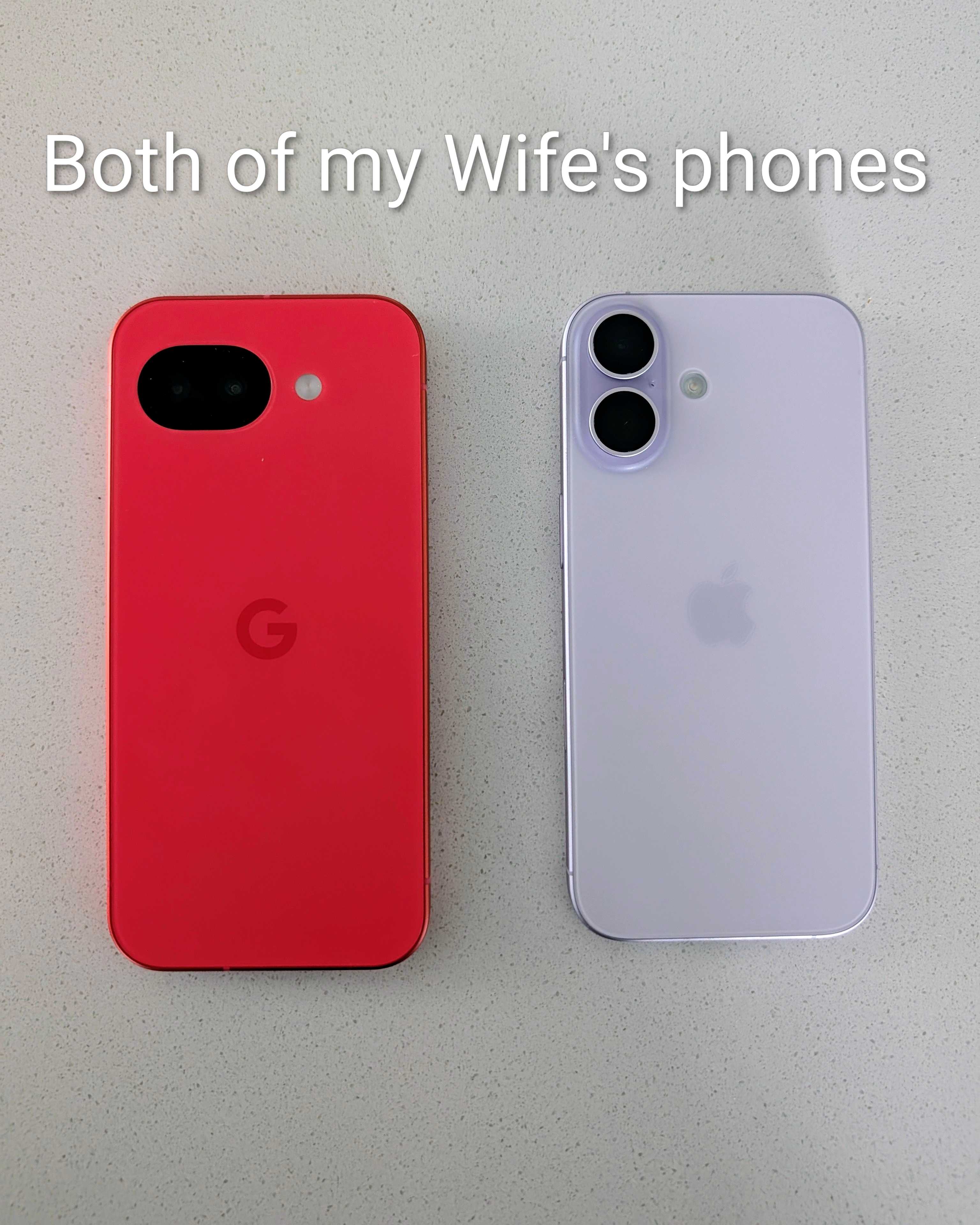
Overall, I'm looking forward to seeing if my wife, who I gifted with an iPhone 17 last year, finds Siri AI impressive or not in September when it becomes available in the iOS 27 update. I'm thoroughly happy with Gemini on my Pixel as I still don't see a reason to switch. I'd imagine by the time iOS 27 is available in September, Gemini would gain even more capabilities within its Personal and Gemini Intelligence, coupled with Magic Cue this August when they announce the latest Pixel 11 series of devices.